Fun Games for Kids 🎮
Fun Games for Kids
Games are an important part of every child’s life. They are not just for fun but also help children learn valuable life skills. Playing games allows kids to stay active, improve creativity, build confidence, and develop social skills. Whether children play indoors or outdoors, every game offers some benefit that helps in their growth and development.
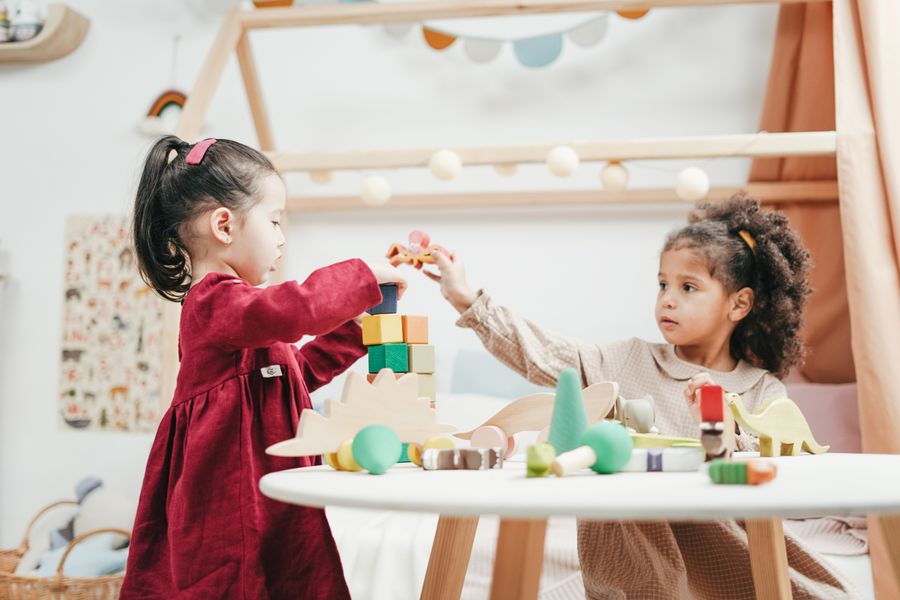
In today’s world, many children spend too much time on mobile phones, tablets, and television. While digital entertainment can be enjoyable, traditional games are essential for physical and mental development. Games teach children how to solve problems, communicate with others, and enjoy teamwork. They also help reduce stress and make children happier.
1. Outdoor Games
Outdoor games are one of the best ways for children to stay healthy and active. Games like hide and seek, cricket, football, and tag help improve physical strength, stamina, and coordination. These activities encourage children to run, jump, and move their bodies, which improves overall fitness.
Outdoor games also teach teamwork and discipline. When children play in groups, they learn to cooperate, share responsibilities, and follow rules. These social skills are important for their personal growth.
2. Indoor Games
Indoor games are excellent for improving concentration and problem-solving skills. Activities like board games, puzzles, and card games challenge children to think carefully and make smart decisions.
These games are especially helpful during bad weather or when children cannot go outside. Indoor games also create opportunities for family bonding, as parents and children can enjoy playing together.
3. Educational Games
Educational games make learning enjoyable for children. Games involving numbers, letters, colors, and shapes help children improve their academic skills while having fun.
These games can increase memory, improve focus, and help children understand difficult concepts in an easier way. Learning through play keeps children interested and motivated.
4. Creative Games
Creative games such as drawing, coloring, storytelling, and building blocks encourage imagination. They allow children to express their ideas and develop creative thinking.
When children create something new, they gain confidence and feel proud of their work. This improves self-esteem and helps them think independently.
5. Online Games
Online games can also be useful when chosen carefully. Educational and skill-based online games help children improve memory, attention, and reaction time.
Parents should ensure that online games are safe, educational, and age-appropriate. Balanced screen time is important so that children can enjoy online games without affecting their health.
6. Social Benefits of Games
Games help children interact with others and build friendships. They learn how to communicate, take turns, and respect other players. These experiences improve social confidence.
Children who regularly play group games often become better at teamwork and cooperation, which helps them both in school and in daily life.
7. Mental Benefits of Games
Many games improve mental skills such as memory, focus, and critical thinking. Puzzle games and strategy games challenge the brain and improve problem-solving abilities.
Games also reduce stress and help children feel relaxed. Playing enjoyable games creates happiness and improves mood.
8. Physical Benefits of Games
Physical games strengthen muscles, improve flexibility, and increase stamina. Active children are healthier and more energetic.
Regular physical play also helps maintain a healthy body weight and improves overall physical development.
9. Emotional Benefits of Games
Games teach children patience, confidence, and emotional control. They learn how to handle winning and losing in a healthy way.
These emotional skills help children become stronger and more confident in everyday life situations.
10. Why Games Are Important
Games are important because they support a child’s complete development. They improve the body, train the mind, and build social confidence.
Children who play regularly are often happier, healthier, and more creative. Games prepare children for challenges while making learning enjoyable.
Conclusion
Fun games are more than just entertainment for kids. They help children learn, grow, and develop essential life skills. Outdoor games improve fitness, indoor games strengthen the mind, and creative games boost imagination. By encouraging children to play different types of games, parents can support healthy development and create joyful learning experiences.


Comments
Post a Comment